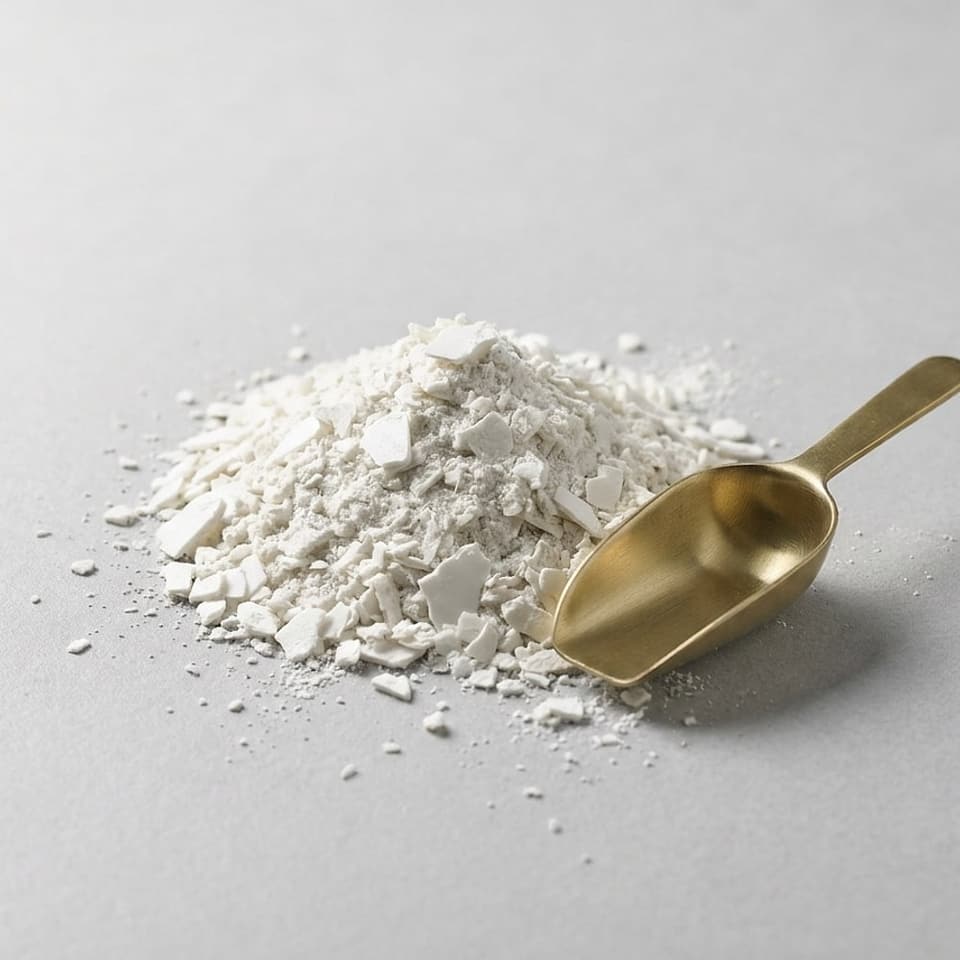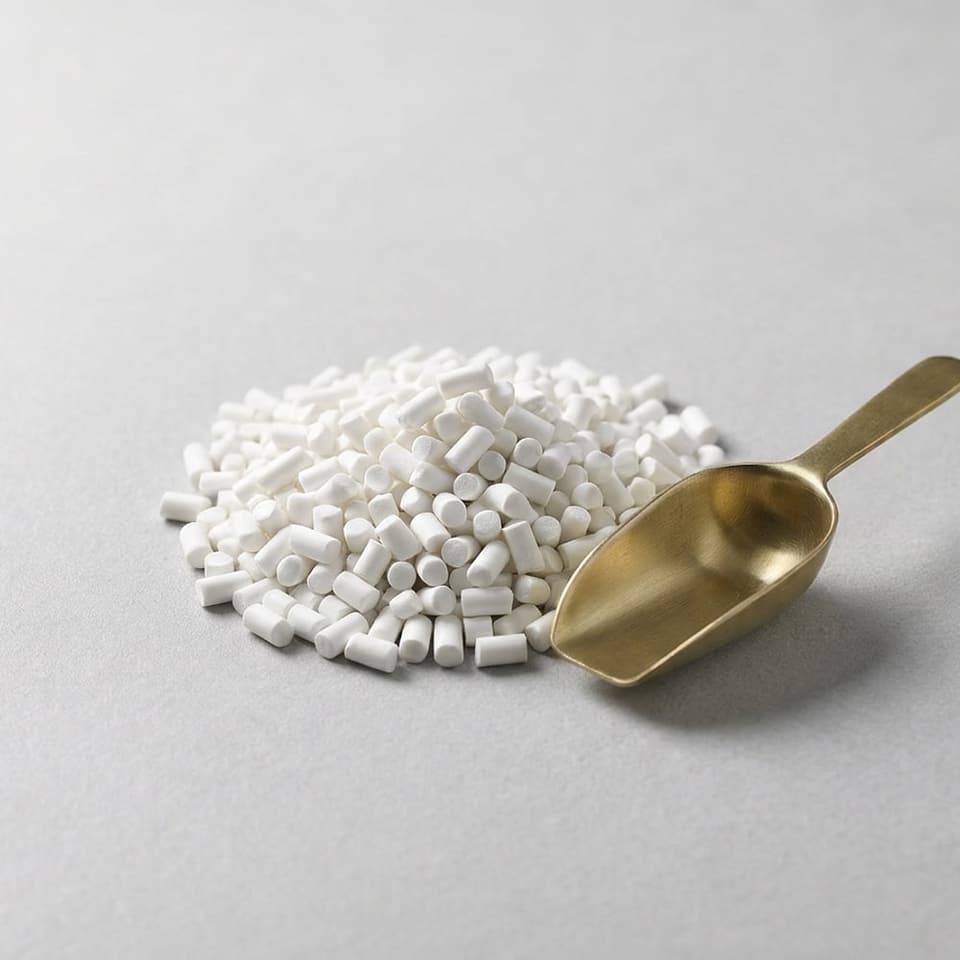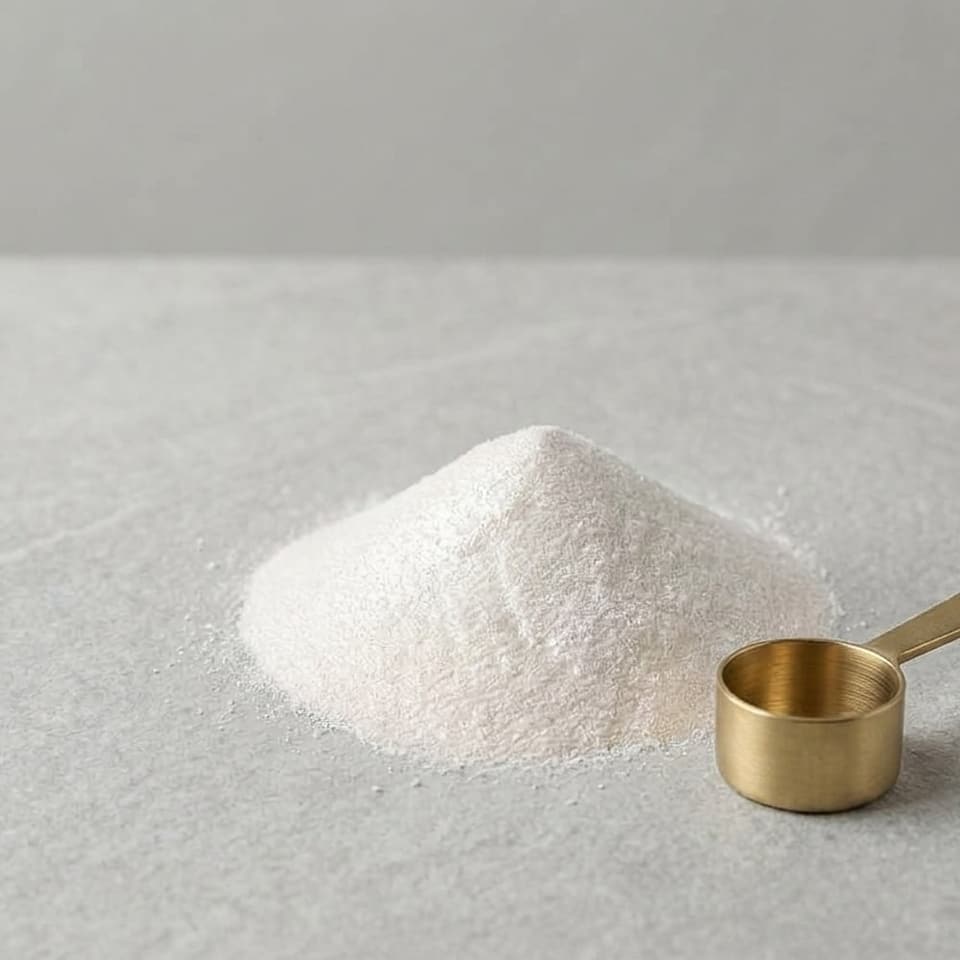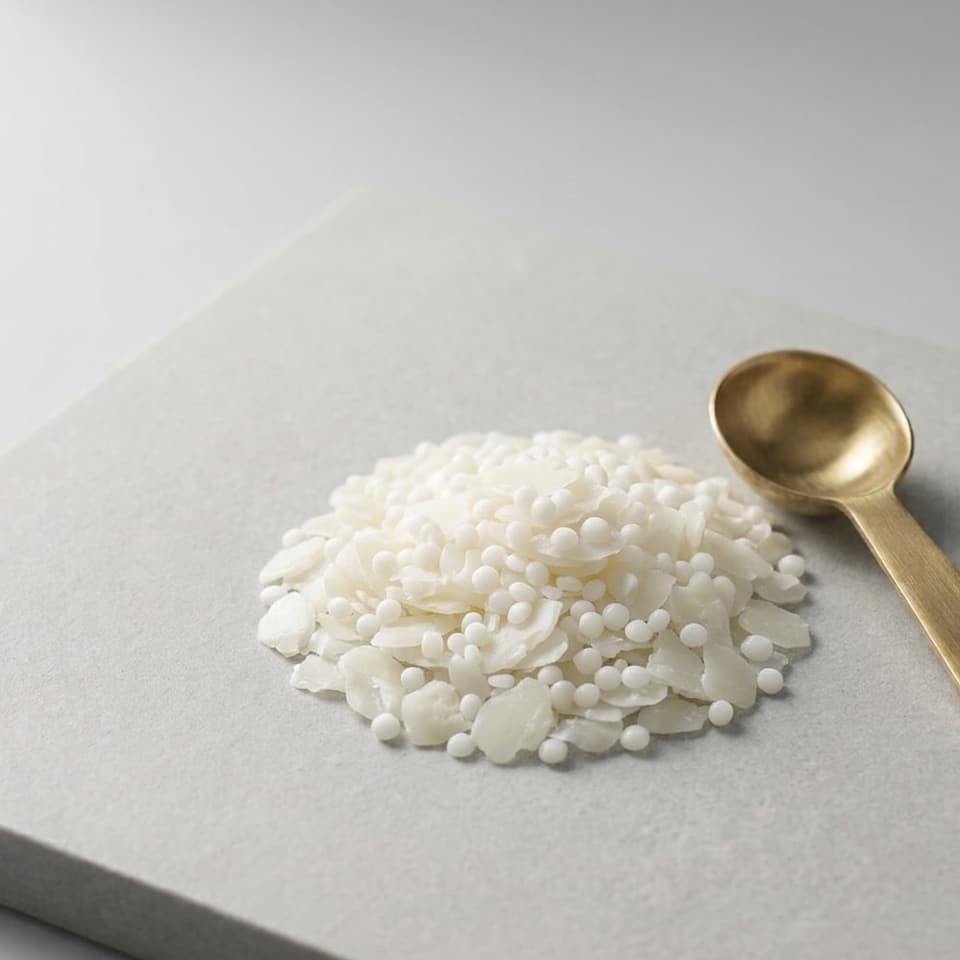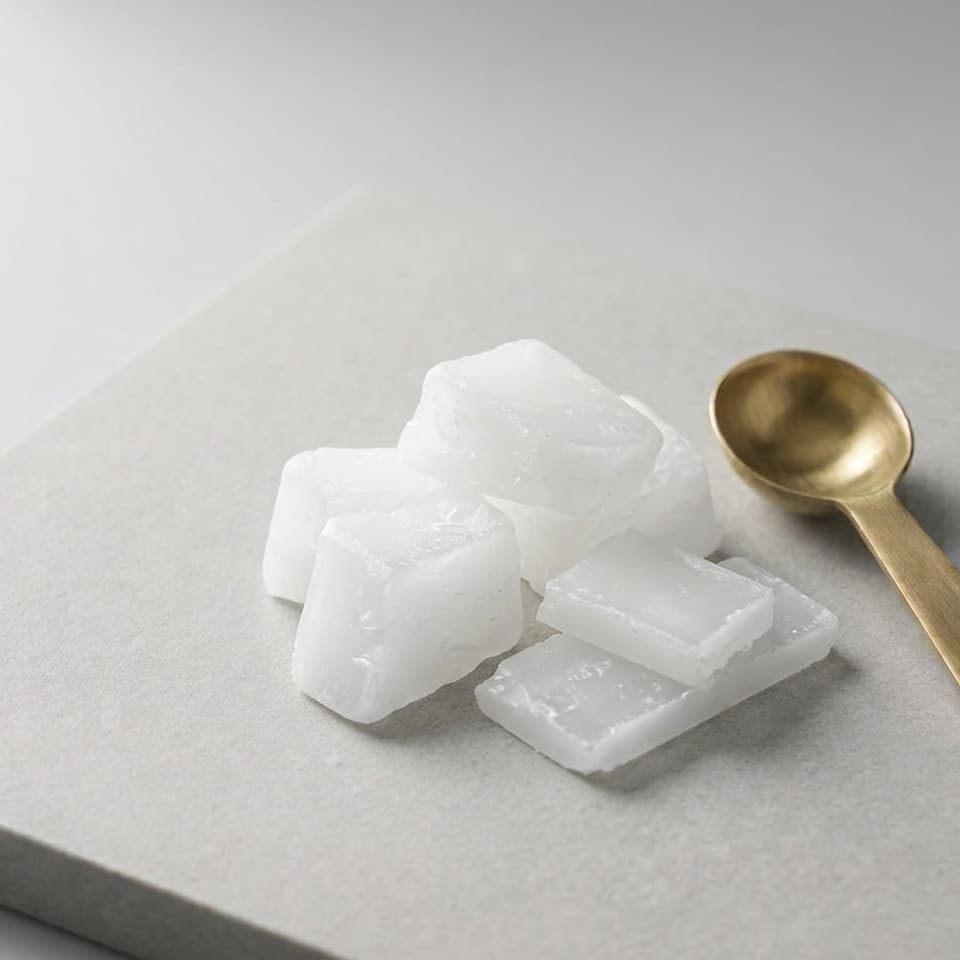
Every rigid PVC product needs a heat stabiliser. The two main choices for pipe, conduit and cable are lead-based and calcium-zinc (often written Ca-Zn).
Lead stabilisers
- Proven over many years and economical.
- Forgiving on the machine, with a wide working range.
- Lead is toxic, so many buyers, government tenders and export customers now ask for lead-free products, especially for drinking-water pipe.
Calcium-zinc stabilisers
- Lead-free. This is the modern choice and the one more buyers ask for.
- Can cost more per kilo, so compare the cost per tonne of finished product, not just the price of the stabiliser.
- Usually needs the lubricant balance and temperatures set up for it.
One pack and super pack
Both types are sold as ready mixes that combine the stabiliser and lubricants in one bag. You add one material instead of several, which makes mixing simpler and more consistent.
Switching from lead to calcium-zinc
Most machines can switch. Plan a trial run: the temperature profile and lubricants may need small changes. Tell us your machine and product, and we'll help plan the trial.