A rigid PVC pipe is mostly PVC resin. Small amounts of other materials are mixed in before the blend goes into the extruder. Each one has a job, and the balance between them decides how the pipe runs on the machine and how it performs.
PVC resin: the main ingredient
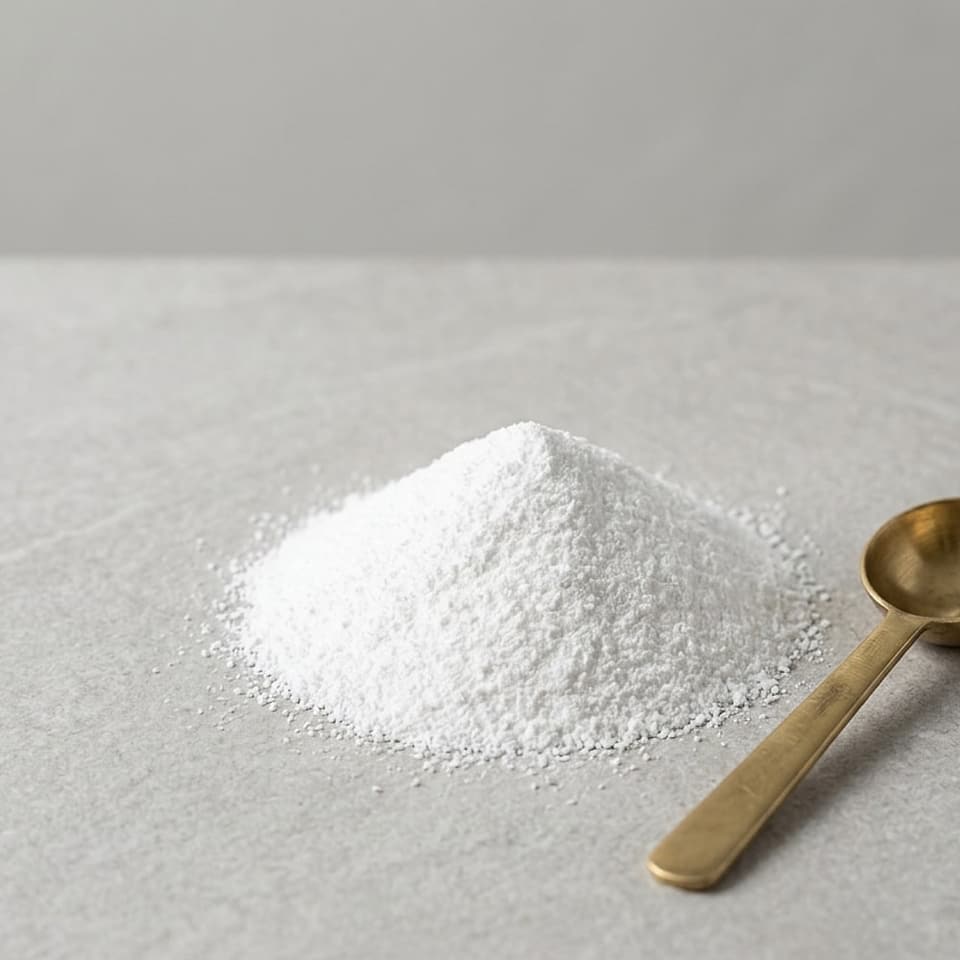
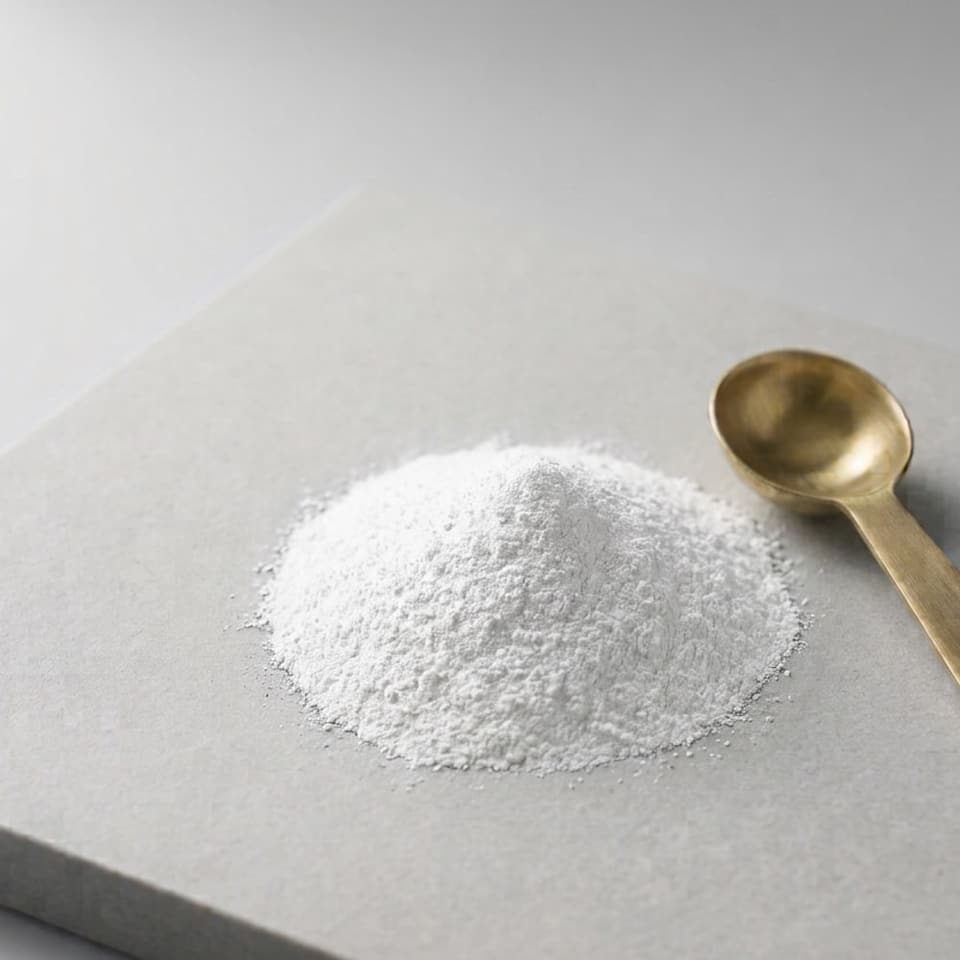
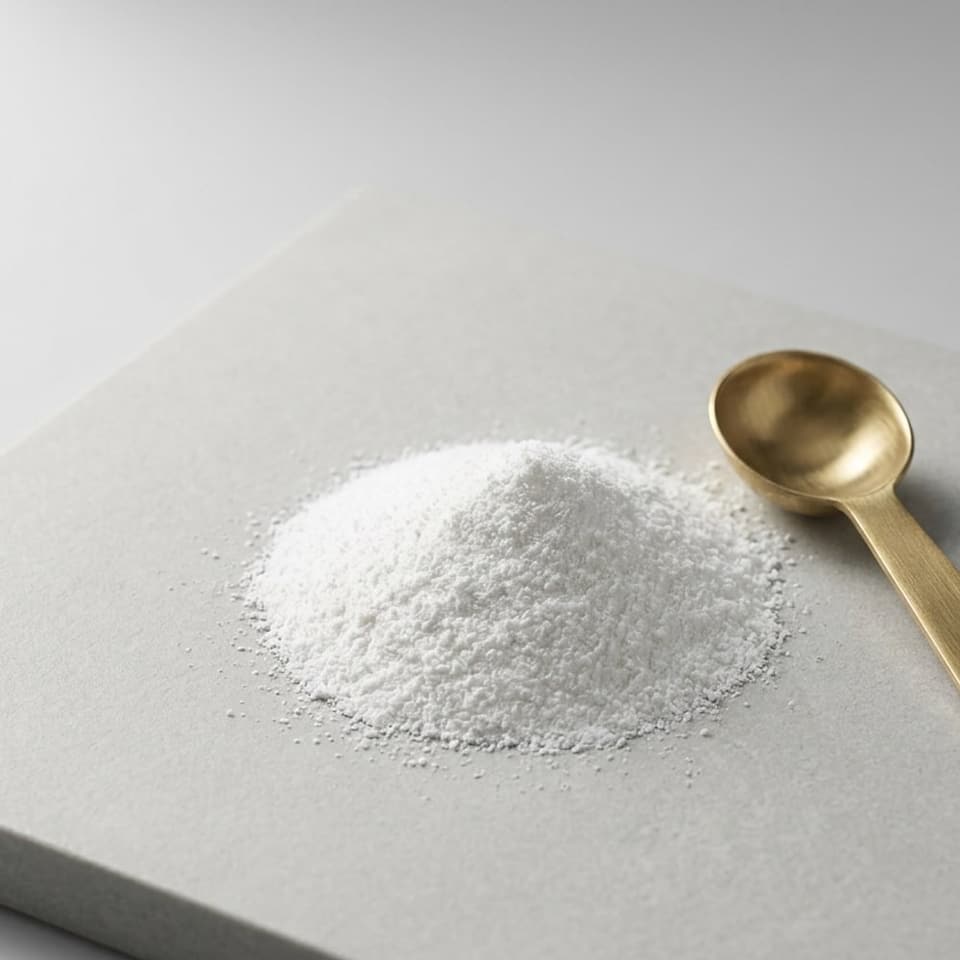
A white powder that makes up most of the pipe. Pipe makers use a suspension grade. Tell us your machine and the pipe you make, and we'll suggest the grade.
Stabiliser: protects against heat
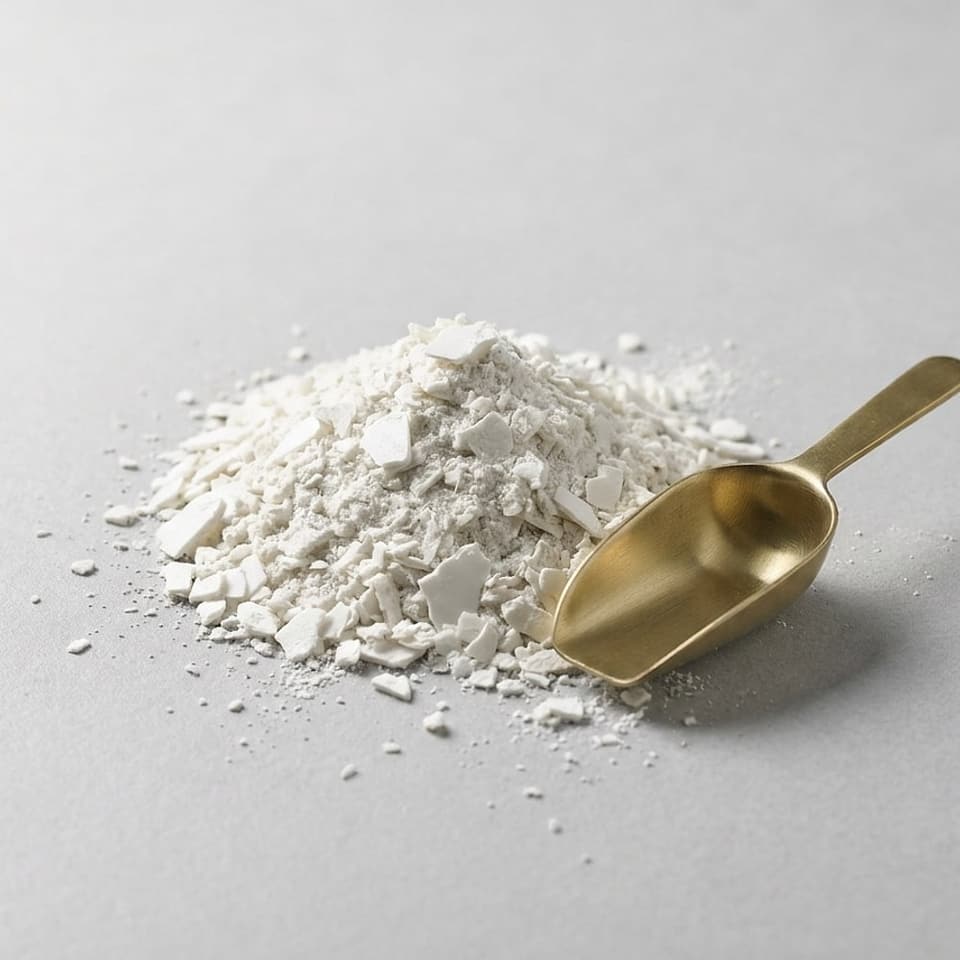
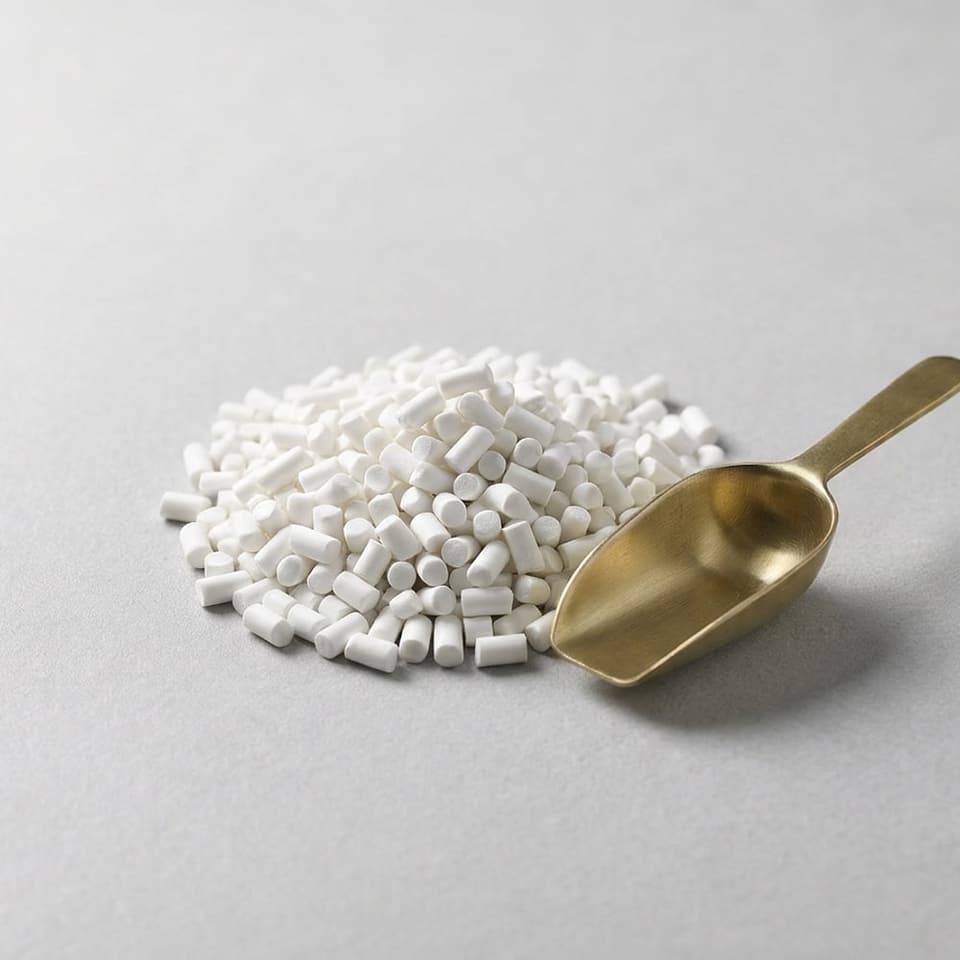
PVC starts to break down at the temperatures used in the extruder. A stabiliser stops it from turning yellow or burning. Pipe makers use either a lead or a calcium-zinc stabiliser. Many come as a "one pack", with the lubricants already mixed in.
Lubricants: help it flow
- Internal lubricants help the material melt and flow evenly.
- External lubricants stop it sticking to the hot metal of the barrel and die.
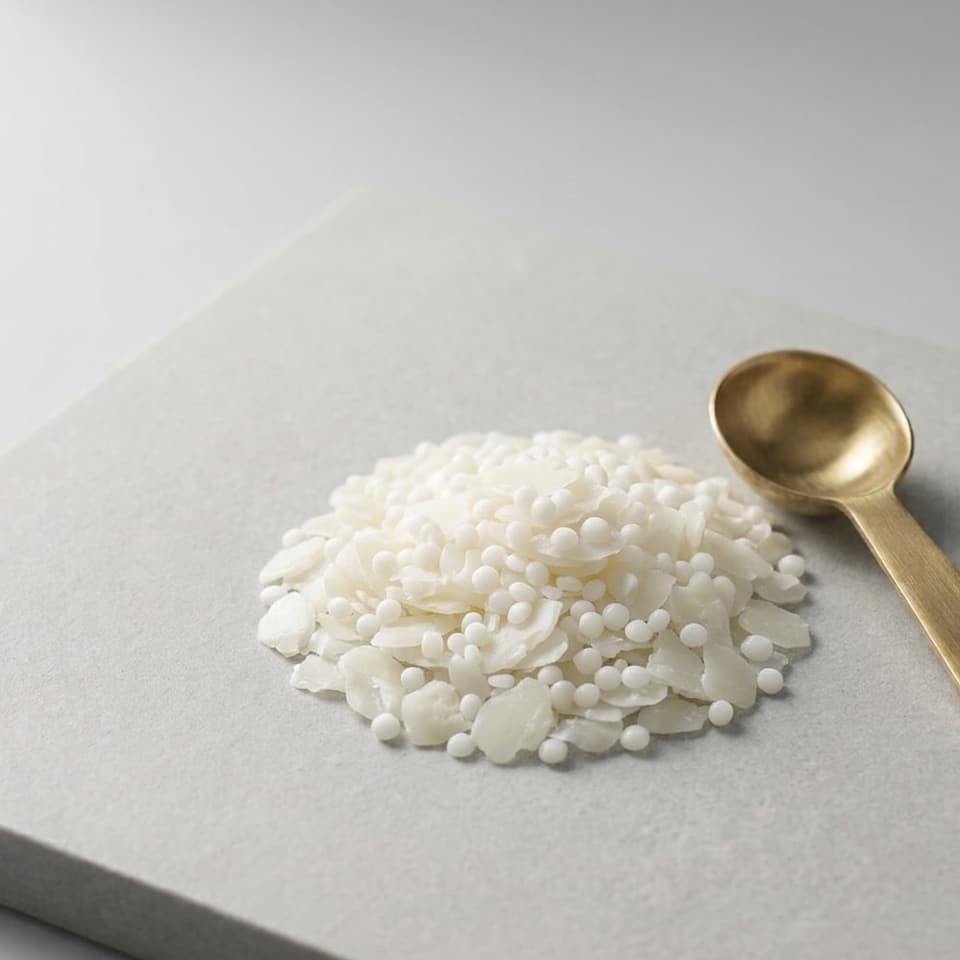
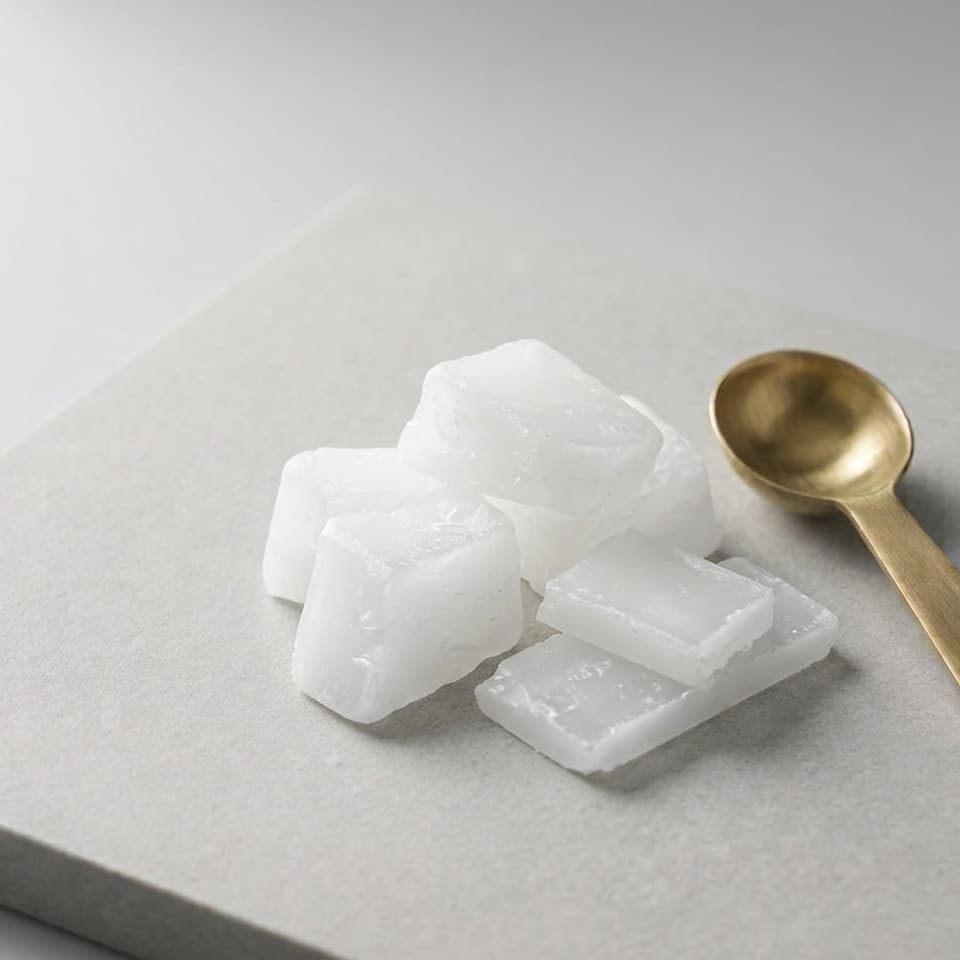
- Stearic acid, paraffin wax and polyethylene waxes are common choices.
Too little lubricant can cause burning and rough pipe. Too much can make the pipe weak.
Filler: adds bulk at lower cost
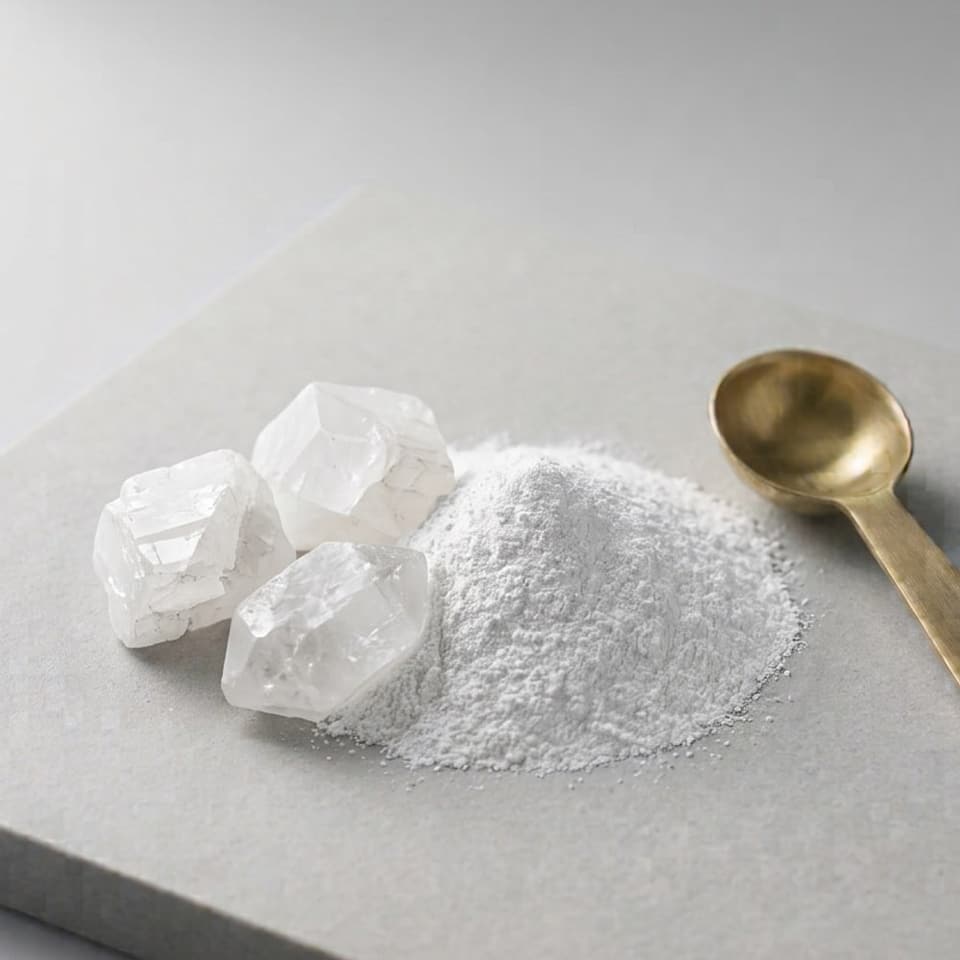
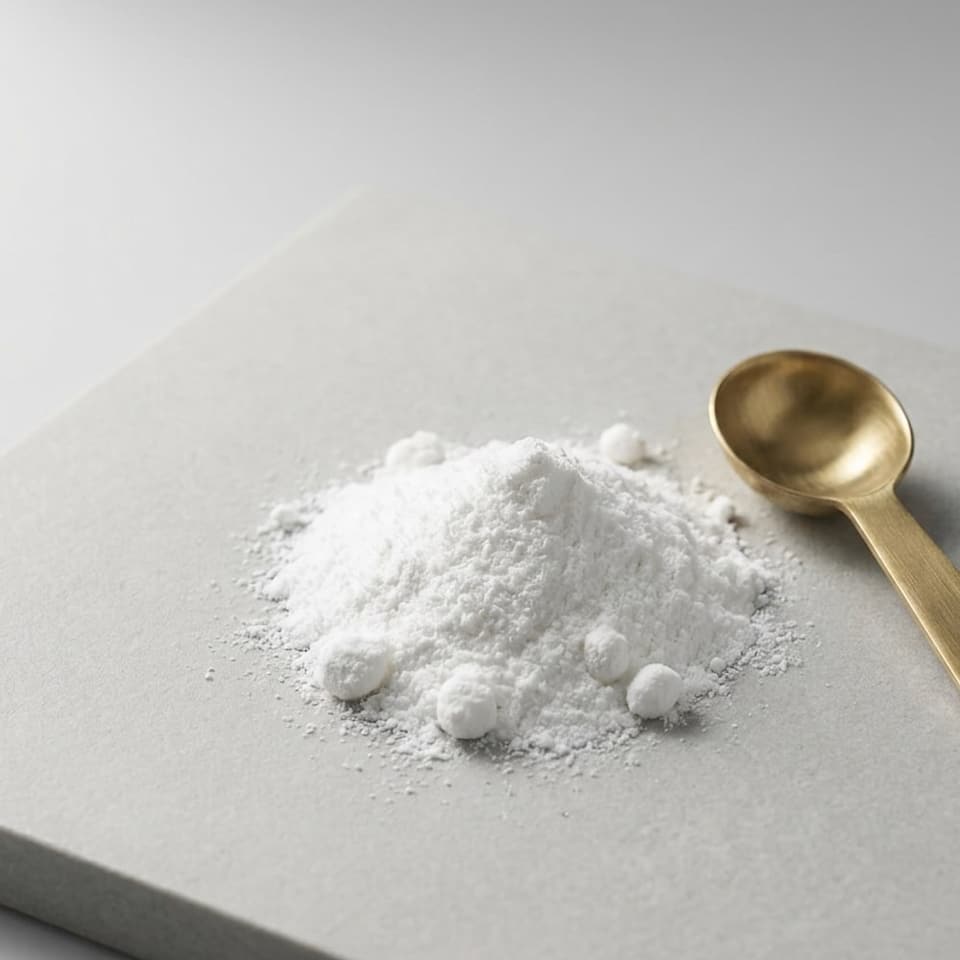
Calcite (calcium carbonate) adds stiffness and lowers the cost per kilo. Too much makes the pipe brittle, so the amount has to suit the standard the pipe must pass.
Whiteness and sunlight
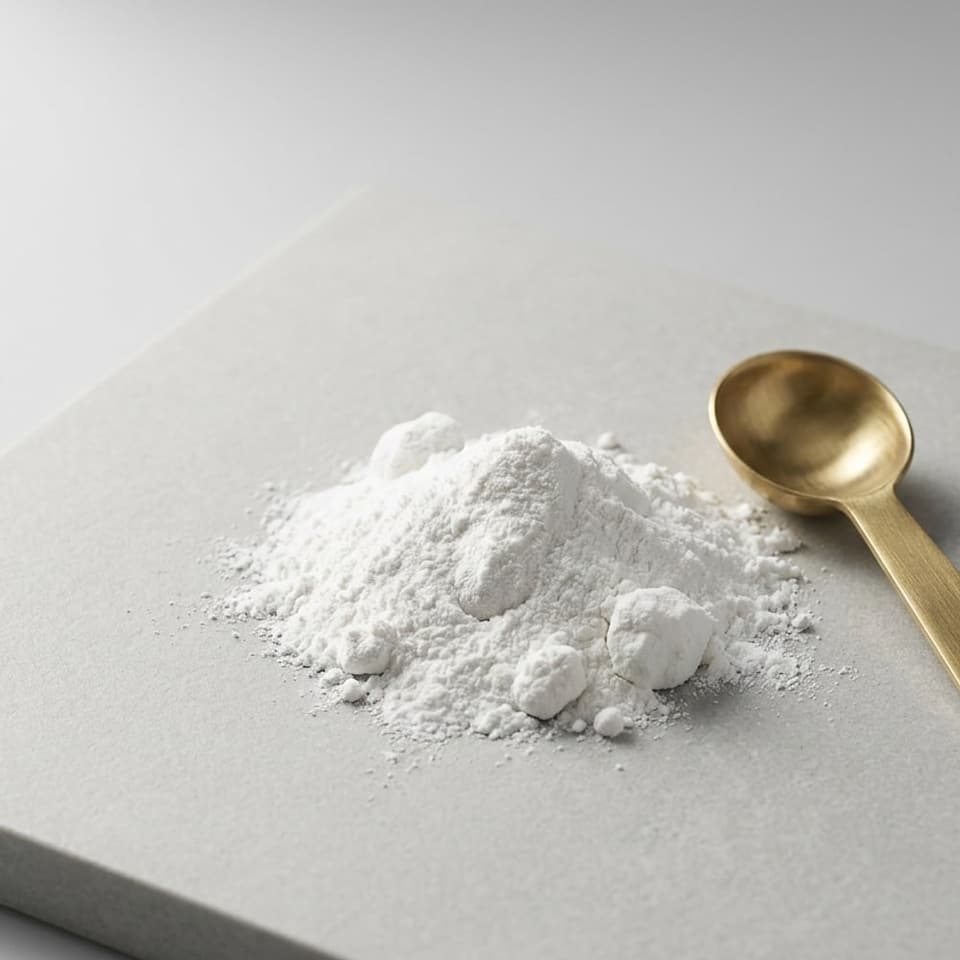
Titanium dioxide makes the pipe white and opaque and helps protect it from sunlight.
Strength and finish
- Impact modifier or CPE makes the pipe tougher, so it cracks less when dropped, cut or bent.
- Processing aid helps the blend melt evenly, for a smooth surface and steady output.
Colour
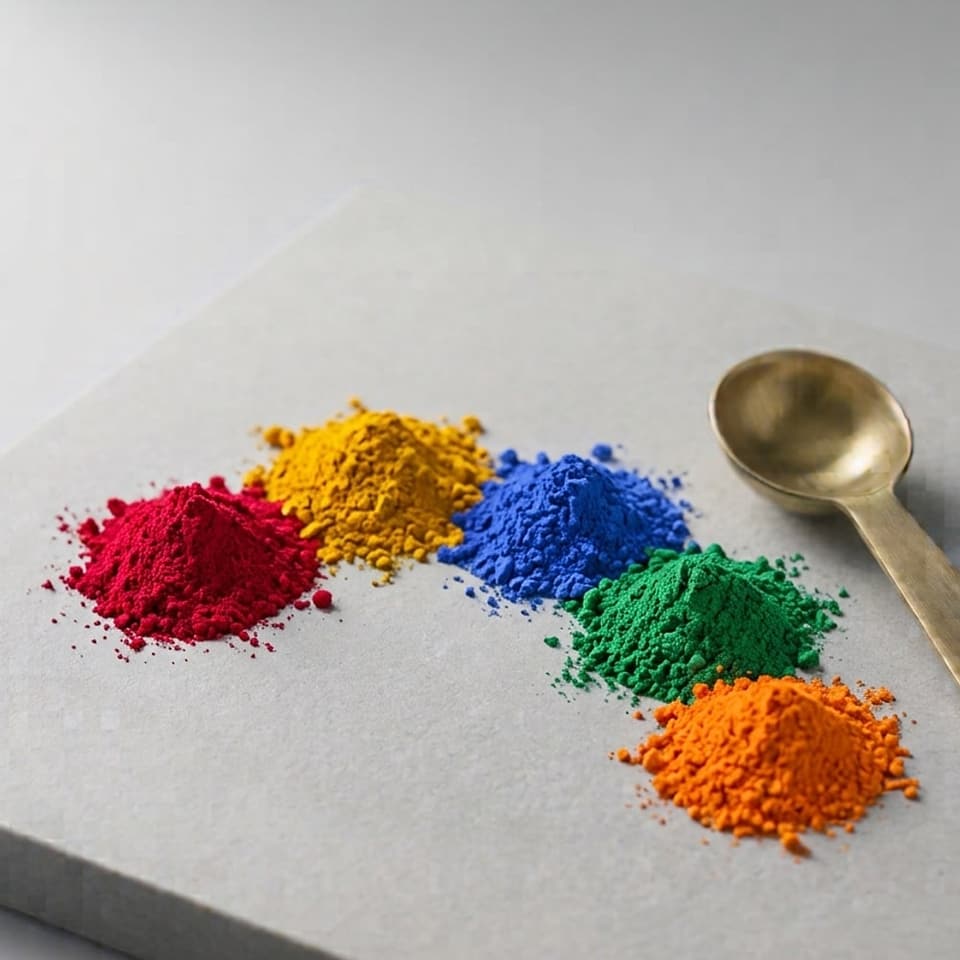
Pigments or colour masterbatch give the grey, orange or other colour the market expects.
Getting the mix right
The right amounts depend on the pipe, the standard it must meet, the machine and the resin grade. We supply every material on this list and help with a starting recipe and adjustments.